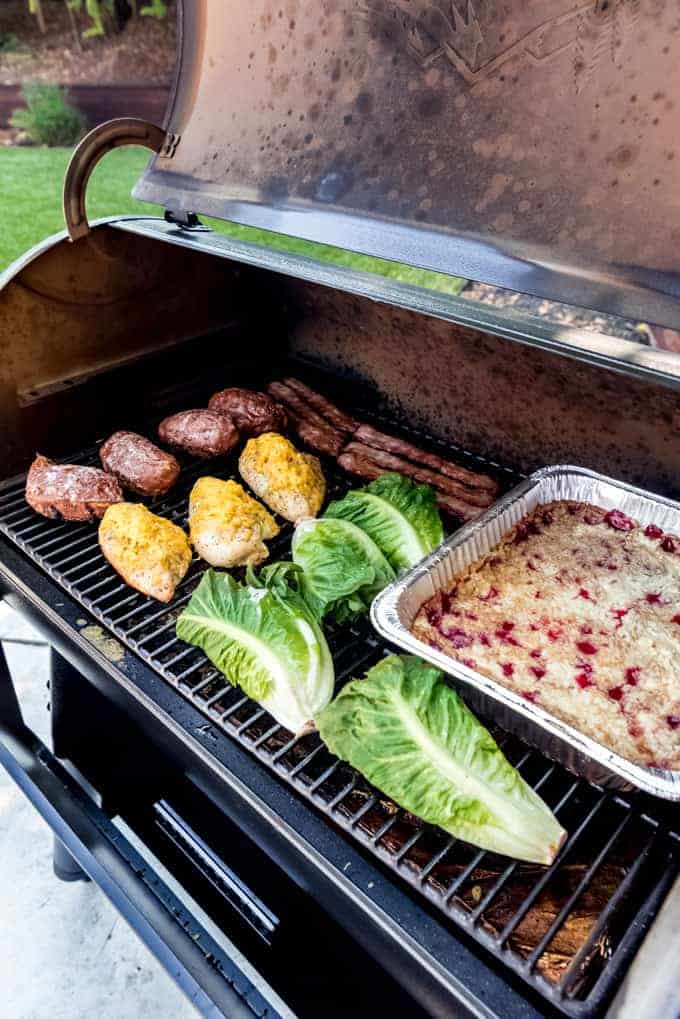
Unlock the Full Potential of Your Smoker: Crafting an Entire Culinary Experience
There’s a unique magic that happens when food meets smoke. The low-and-slow kiss of wood-fired flavor transforms ingredients, creating a depth and tenderness that simply can't be replicated by other cooking methods. If you've been on the fence about acquiring a smoker, consider this your nudge: dive in! For any discerning food lover, a smoker isn't just a piece of equipment; it's a gateway to an unparalleled culinary adventure. But what if you could harness that power not just for a show-stopping main course, but to create an entire, multi-faceted meal, from savory starters to sweet finales? Get ready to discover how to cook an entire meal on the smoker, transforming your backyard into a gourmet smokehouse.
Embracing the Smoker Lifestyle: More Than Just Meat
The allure of a smoker lies in its ability to impart distinct smoky flavors while tenderizing meats to perfection over an extended period. Unlike the precise timings and temperatures often associated with an oven or even a gas grill, smoker cooking embraces a degree of flexibility. Variables such as the thickness of a meat cut, its fat and moisture content, and even whether it's dry-aged, all influence the optimal cooking time and temperature. This means becoming attuned to the nuances of your smoker and the food it holds, often working within temperature ranges rather than exact points. For instance, many incredible dishes can be crafted around a consistent temperature like 240°F, allowing for diverse items to cook simultaneously or sequentially. The cardinal rule, however, remains universal: always rely on the internal temperature of your food to gauge doneness, never cutting into it prematurely, which can lead to unwelcome dryness. Embracing this Low and Slow Smoker Cooking: Achieve Unmatched Flavor and Tenderness approach is key to unlocking the smoker's full potential.
The Art of Temperature Management
Mastering your smoker’s temperature is crucial for a successful meal. While recipes provide guidelines, understanding how your specific unit maintains heat and circulates smoke allows for better adaptation. For multi-item cooks, starting with the largest, densest items that require the longest cook times is a smart strategy. Smaller items can be added later, or during the main item's resting period. A stable temperature, such as the often-recommended 240°F for many recipes, is ideal for breaking down tough fibers in meats while gently infusing flavor into sides.
The Main Event: Crafting Unforgettable Smoked Meats
At the heart of any smoked feast are the proteins. Your smoker truly shines with cuts that benefit from prolonged, gentle heat, which works wonders in breaking down tough connective tissues and fibers, rendering them incredibly tender and juicy. When contemplating how to cook an entire meal on the smoker, your main protein often dictates the rhythm of the cook.
- Beef Brisket: A Smoker Icon
The legendary beef brisket, sourced from the breast or lower chest, is a true test of a pitmaster's patience and skill. Its signature flavorful bark and melt-in-your-mouth tenderness are the rewards of a long, deliberate smoke. When selecting a brisket, prioritize a well-marbled piece; the intramuscular fat will render beautifully, basting the meat from within. Prepare it by trimming excess hard fat, leaving a thin layer for moisture, and generously applying your favorite dry rub. Brisket demands hours of attention, slowly coming up to temperature until it’s probe-tender, signaling it’s perfectly done. - Pork Shoulder: The King of Pulled Pork
A high-quality pork shoulder, often called a Boston Butt, is destined for greatness in the smoker. The low heat transforms its tough fibers into succulent, shreddable pulled pork, a versatile dish perfect for sandwiches, tacos, or as a standalone delight. Like brisket, it benefits immensely from a robust dry rub and patient cooking until it reaches a desired internal temperature and pulls apart effortlessly. - Ribs: Bark, Bite, and Pure Flavor
Whether you prefer pork spareribs, baby back ribs, or beef ribs, the smoker elevates them to another level. They develop a rich, savory bark on the exterior while maintaining incredible moisture within. The "3-2-1" method (3 hours smoke, 2 hours foil wrap, 1 hour back on smoke) is a popular technique for achieving fall-off-the-bone tenderness, but simple continuous smoke also yields fantastic results. - Whole Poultry: Succulent and Smoky
Smoking a whole turkey or chicken results in a bird that is incredibly flavorful and moist, a stark contrast to many roasted versions that can often dry out. The smoke penetrates the skin and meat, creating a unique savory depth. With poultry, the consistent internal temperature of 165°F in the thickest part of the thigh is your indicator of doneness, ensuring a safe and delicious meal.
Beyond the Brisket: Savory Sides and Unexpected Delights
The true measure of a smoker's versatility isn't just its ability to perfect meat, but its capacity to elevate every component of your meal. Learning how to cook an entire meal on the smoker means expanding your horizons beyond the main course. Your smoker is every bit as beneficial to side dishes as it is to the main event.
Smoking Vegetables and Fish
Don't relegate your vegetables to a quick grill or oven roast. The smoker can imbue them with an incredible, subtle smokiness that complements the main proteins. Robust vegetables like bell peppers, onions, mushrooms, and even potatoes absorb smoke beautifully. Take asparagus, for example: tossed with butter, lemon, and garlic, then smoked until tender-crisp, it transforms into a side dish that can rival the main event. Fish, particularly heartier fillets like salmon or whole trout, also take exceptionally well to smoking, developing a delicate, savory flavor profile. Just remember that fish requires a shorter smoking time and should be watched closely to prevent overcooking.
Smoking Cheese: A Culinary Surprise
For an unexpected appetizer or cheese board addition, try smoking cheese. Harder cheeses like cheddar, gouda, or provolone absorb smoky flavors beautifully without melting too quickly. Keep the smoker temperature low (ideally under 90°F, or use a cold smoker attachment if available) to infuse the smoky essence without turning your cheese into a gooey mess. The resulting smoky cheese is fantastic sliced with crackers or incorporated into other dishes.
For more specific recipes and temperature guidelines that allow you to cook multiple dishes, check out our guide on Cook a Full Meal at 240°F: Smoker Recipes for Meats, Sides, & More.
The Sweet Finish: Smoking Desserts and More
Many are surprised to learn that a smoker can also produce mouthwatering desserts. This is where you truly expand your smoker culinary horizons. Imagine the subtle smoky notes enhancing the natural sweetness of fruits, or adding an intriguing layer to a classic dessert.
- Smoked Fruits: Apples, pears, peaches, and pineapple take on a delightful complexity when smoked. Toss them with cinnamon, brown sugar, or a touch of butter, and smoke until tender. They can be served as a side, over ice cream, or incorporated into pies and cobblers.
- Smoked Cobblers or Crumbles: Assemble your favorite fruit cobbler or crumble in an oven-safe dish and let your smoker do the rest. The gentle heat bakes it while the smoke infuses an unforgettable flavor into the fruit and topping.
- Smoked Nuts: For a pre-meal snack, smoke a batch of mixed nuts seasoned with salt, pepper, and a touch of cayenne. They make for an addictive, flavorful bite.
Practical Tips for a Full Smoked Meal
- Plan Your Cook: Large cuts of meat will dictate your overall timeline. Add sides and desserts that can cook alongside or be added during the meat's final stages or resting period.
- Use Good Thermometers: A reliable wireless probe thermometer is your best friend for monitoring both ambient smoker temperature and internal food temperatures without opening the lid.
- Wood Selection Matters: Different wood types impart distinct flavors. Hickory and mesquite offer strong, bold flavors, while apple and cherry provide milder, sweeter notes, excellent for poultry, fish, and desserts. Oak is a versatile middle-ground.
- Rest Your Meat: After a long smoke, allowing your meat to rest for a significant period (often 30 minutes to 2 hours for larger cuts) is crucial. This allows the juices to redistribute, resulting in a more tender and moist product.
- Ensure Even Smoke Exposure: Arrange your ingredients in the smoker so that smoke can circulate freely around them for consistent flavor.
With a little practice, slow and steady smoking is destined to become your go-to cooking method for not just a meal, but an entire feast. The journey of transforming raw ingredients into a symphony of smoky flavors is immensely rewarding, offering an unmatched culinary experience for you and your guests. So, fire up your smoker and get ready to impress by mastering how to cook an entire meal on the smoker, from the first bite of savory meat to the last spoonful of a smoky-sweet treat!
