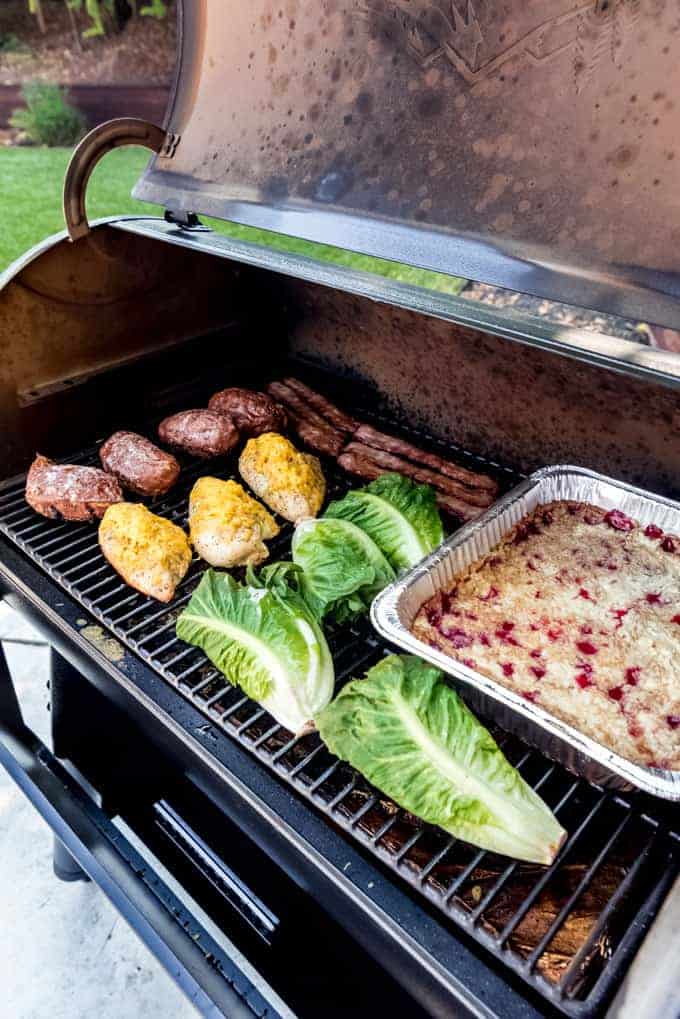
Unlock the Art of Full-Meal Smoking at 240°F: Your Ultimate Guide
Imagine a culinary masterpiece, a symphony of smoky aromas, where every dish—from the succulent main course to the tender sides and even dessert—emerges from a single source of low, slow heat. This isn't just a dream; it's the reality you can achieve by mastering how to cook an entire meal on the smoker at a consistent 240°F. While outdoor cooking often conjures images of quick grilling, a smoker invites you to a more profound, patient, and incredibly rewarding experience. Forget the dry roasts and bland sides; with your smoker, you're about to embark on a journey of unparalleled flavor and tenderness.
For the discerning food lover, a smoker isn't just another gadget; it's a gateway to an unmatched culinary adventure. The unique environment of controlled low heat and wood smoke transforms ingredients in ways no oven or grill can, breaking down tough fibers in meats, infusing vegetables with rich depth, and even adding an intriguing twist to desserts. Sure, the process takes time, but the resulting smoky, melt-in-your-mouth goodness is undeniably worth every minute of the wait. The beauty of smoking lies in its flexibility—it's less about rigid timings and more about understanding the nuances of your ingredients and equipment. The thickness of your meat, its fat content, and even the ambient weather can influence cooking times, requiring you to navigate the process with a keen eye and a reliable thermometer.
Why 240°F is Your Smoker's Sweet Spot for a Full Meal
While many smoker recipes offer a range of temperatures, we're focusing on 240°F for a very good reason: it strikes a perfect balance. This temperature is ideal for the "low and slow" philosophy, allowing plenty of time for smoke to penetrate deeply into your food, developing that coveted smoky flavor profile. At the same time, it's warm enough to slowly render fats, tenderize tough cuts of meat, and cook through denser vegetables without drying them out. It provides a stable environment, minimizing drastic temperature swings that can affect cooking consistency, making it a fantastic benchmark for cooking multiple items simultaneously.
Working at 240°F offers several advantages when planning an entire meal:
- Optimal Smoke Penetration: Lower temperatures allow more time for smoke compounds to adhere to the food, resulting in a deeper, richer smoky flavor.
- Exceptional Tenderness: The slow heat gradually breaks down collagen and connective tissues in meats, yielding incredibly tender and juicy results.
- Moisture Retention: Unlike higher heat, 240°F reduces moisture loss, keeping your meats succulent and your sides vibrant.
- Versatility: This temperature range is forgiving enough to accommodate a variety of items, from robust cuts of beef and poultry to delicate vegetables and even some desserts, making it perfect for an Unlock Your Smoker: Craft a Complete Meal from Meats to Sweet Treats experience.
Crafting Your Main Event: Meats that Shine at 240°F
When cooking a full meal on the smoker, the main course is often the star. At 240°F, certain meats truly reach their full potential:
Beef Brisket: The Smoker's Crown Jewel
A true classic, beef brisket is practically synonymous with low-and-slow smoking. Its flavorful bark and smoky tenderness are legendary. To achieve perfection, start with a well-marbled brisket—the intramuscular fat is key to keeping it moist and juicy during its long journey. Trim excess hard fat, leaving a thin, even layer. Apply a generous dry rub, letting it sit for several hours or overnight for maximum flavor penetration. At 240°F, expect a full packer brisket to take anywhere from 10-16 hours, sometimes longer. Monitor the internal temperature with a reliable probe, aiming for 200-205°F for optimal tenderness. Don't be alarmed by the "stall," when the temperature plateaus; it's a natural part of the process. Most importantly, once cooked, rest your brisket for at least an hour, or even several, wrapped in butcher paper and insulation. This allows juices to redistribute, leading to an incredibly tender and moist result.
Whole Turkey or Chicken: Perfectly Succulent Poultry
Say goodbye to dry, flavorless poultry! Smoking a whole turkey or chicken at 240°F is a revelation. The slow heat helps render the fat under the skin, crisping it up beautifully while the meat stays incredibly moist and infused with smoky goodness. It's virtually impossible to overcook poultry using this method, as the low temperature prevents rapid moisture evaporation. Consider a brine or an injection before applying your favorite rub to boost moisture and flavor further. A 12-14 pound turkey can take 5-7 hours, while a whole chicken might take 3-5 hours, reaching an internal temperature of 165°F in the thickest part of the thigh.
Pork Shoulder & Ribs: Fall-Off-The-Bone Perfection
Pork shoulder (for pulled pork) and racks of ribs (spare or baby back) are other stellar choices for 240°F. The low heat effortlessly breaks down the tough connective tissues, transforming pork shoulder into tender, shreddable pulled pork and ribs into succulent, fall-off-the-bone delights. For ribs, you might follow the "3-2-1" method (3 hours smoke, 2 hours wrapped, 1 hour unwrapped) or adapt it to your preferences, all within the 240°F range. For a deeper dive into these techniques, explore the principles of Low and Slow Smoker Cooking: Achieve Unmatched Flavor and Tenderness.
Elevating Your Feast: Smoked Sides and More
Your smoker's versatility extends far beyond just meat. At 240°F, you can prepare an array of incredible side dishes, appetizers, and even desserts:
Smoked Asparagus with Lemon Garlic Butter
This side dish proves your smoker is as beneficial for accompaniments as it is for the main course. Toss fresh asparagus spears with olive oil, minced garlic, a squeeze of lemon juice, salt, and pepper. Arrange them in a smoker-safe pan or directly on grates (if they won't fall through). Smoke for 30-45 minutes, or until tender-crisp. A pat of butter melted over the top as they finish elevates this simple vegetable to rival the main event, delivering a buttery, lemony, garlic goodness with an irresistible smoky undertone.
Hearty Smoked Vegetables
Robust vegetables like bell peppers, onions, potatoes, corn on the cob, and mushrooms absorb smoky flavors beautifully. Cut potatoes into wedges or cubes, toss with oil and seasoning, and smoke for 1.5-2 hours until tender. Bell peppers and onions can be smoked whole or cut into thick slices for 45-60 minutes, adding a sweet, smoky char. Corn on the cob, brushed with butter and seasoning, needs about an hour. Arrange them on the upper rack or in a foil pan, ensuring even smoke exposure.
Smoked Cheeses: An Unexpected Delight
While often associated with cold smoking, many cheeses (like cheddar, gouda, and provolone) can absorb smoky flavors at low ambient temperatures, especially during the cool-down phase of your smoker or by keeping the heat source minimal and indirect. Place blocks of cheese on a wire rack and smoke for 1-2 hours, ensuring the temperature stays below 90°F (ideally even lower) to prevent melting. This imparts a delicate, savory smoke that's fantastic for charcuterie boards or melting into dishes.
Desserts with a Smoky Twist
Yes, your smoker is versatile enough to create mouthwatering desserts! Consider smoking whole apples or peaches, halved and cored, with a pat of butter, cinnamon, and brown sugar in the cavity. Smoke until tender (1-2 hours), then serve with ice cream. You can even experiment with baked goods like a simple cobbler or even chocolate chip cookies (for a short duration) for an unexpected smoky nuance. The key is to keep an eye on them and ensure the smoke isn't overpowering.
Mastering the Art of Multi-Item Smoking & Essential Tips
Cooking an entire meal on the smoker requires a bit of planning and strategic execution:
- Placement is Key: Arrange your ingredients inside your smoker to ensure even exposure to heat and smoke. Larger cuts of meat that need more time should be placed closer to the heat source (if applicable), while smaller items or those that cook faster can be on upper racks or added later.
- Stagger Your Start Times: Since different foods have different cooking durations, plan to put items in the smoker at staggered times. Brisket, for instance, goes in first, followed by a turkey, then perhaps vegetables later, and finally a quick dessert.
- Monitor Internal Temperatures: Always use a reliable leave-in meat thermometer for your main proteins. The internal temperature of the meat conveys its doneness, not the clock. Never cut into meat to check if it's done, as this releases precious juices and can dry it out.
- Don't Peek Too Often: Resist the urge to constantly open your smoker. Every time you open the lid, heat and smoke escape, prolonging the cooking time and affecting consistency.
- Wood Selection Matters: Pair your wood chips or chunks with your food. Hickory or oak are great for beef and pork, while fruit woods like apple or cherry are fantastic for poultry, fish, and vegetables, offering a milder, sweeter smoke.
- Rest Your Meats: This step is non-negotiable for large cuts of meat. Resting allows the muscle fibers to relax and reabsorb juices, resulting in a more tender and flavorful product.
Conclusion
Embarking on the journey of cooking an entire meal on the smoker at 240°F is not just about making food; it's about crafting an experience. From the foundational meats to the surprising versatility of sides and even desserts, your smoker offers a canvas for culinary creativity. With a little practice, patience, and attention to detail, slow and steady smoking is destined to become your go-to method for creating memorable feasts. So, fire up your smoker, trust the process, and prepare to delight your taste buds and impress your guests with a full meal imbued with that irresistible smoky, tender goodness.
